
Hard Bounce vs Soft Bounce: What Each One Means and What to Do
The difference between a hard bounce and a soft bounce in plain English: how to read the bounce code, why tools label it differently, and safe bounce rates.
Read the articlePlain explanations of catch-all addresses, secure email gateways, bounce rates and what your verification results actually mean.
Six email verification software options tested on catch-all and SEG-protected addresses, with the SMTP mechanics behind each result and what each one costs.
Read the article
Connect an email verification tool to Claude, ChatGPT, Cursor or VS Code over MCP and check addresses in the chat instead of exporting a CSV file.
Read the article
Proofpoint, Mimecast and Barracuda accept every address at the edge, which breaks normal verification. What happens on those domains and how to get an answer.
Read the article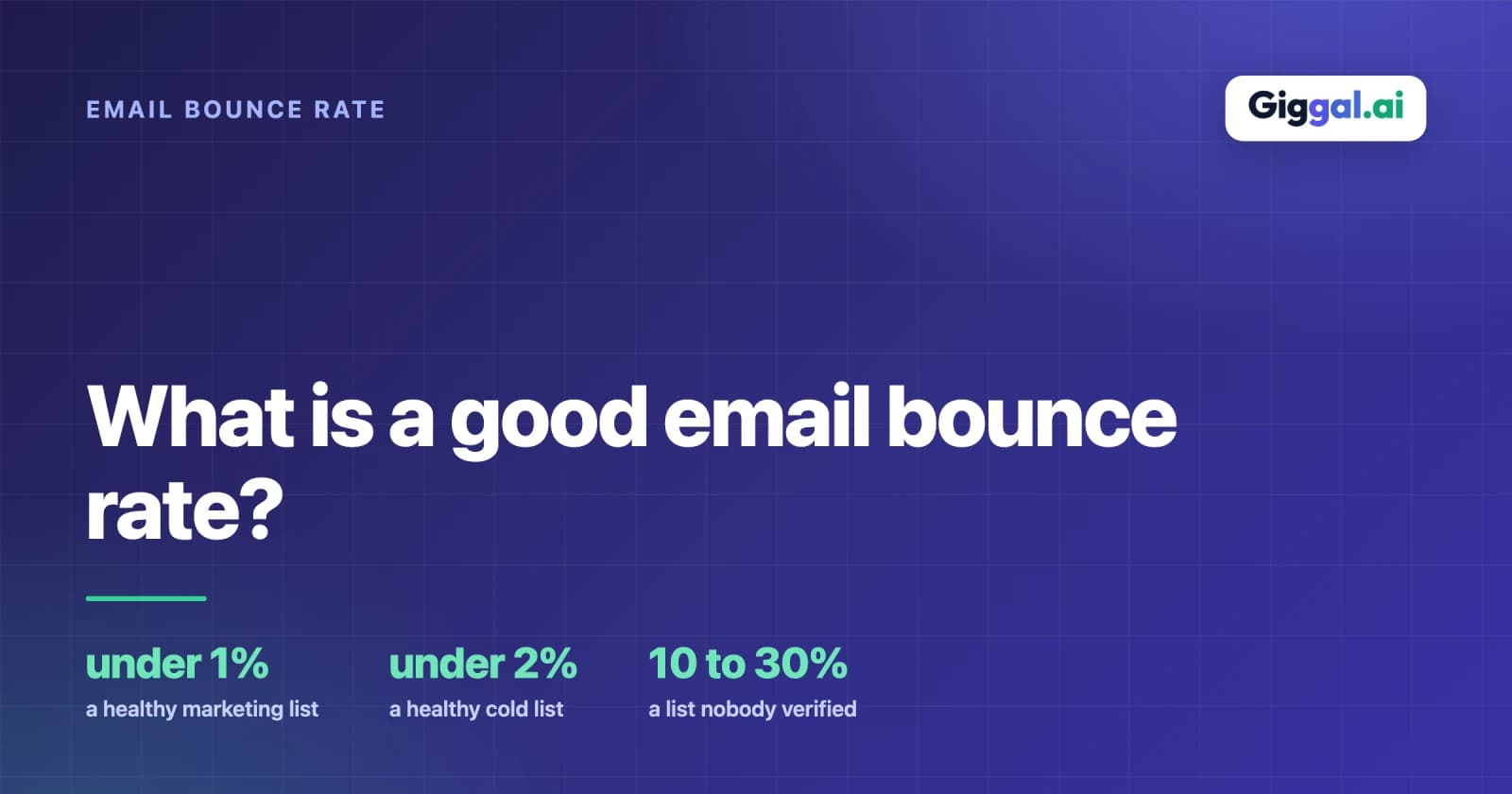
What email bounce rate is, the average and the benchmarks that matter, why industry tables mislead, and a working sequence for getting a high rate down.
Read the article
Every verifier claims 97 to 99 percent accuracy. What that number measures, why the claims all look the same, and how to test a verifier on your own list.
Read the article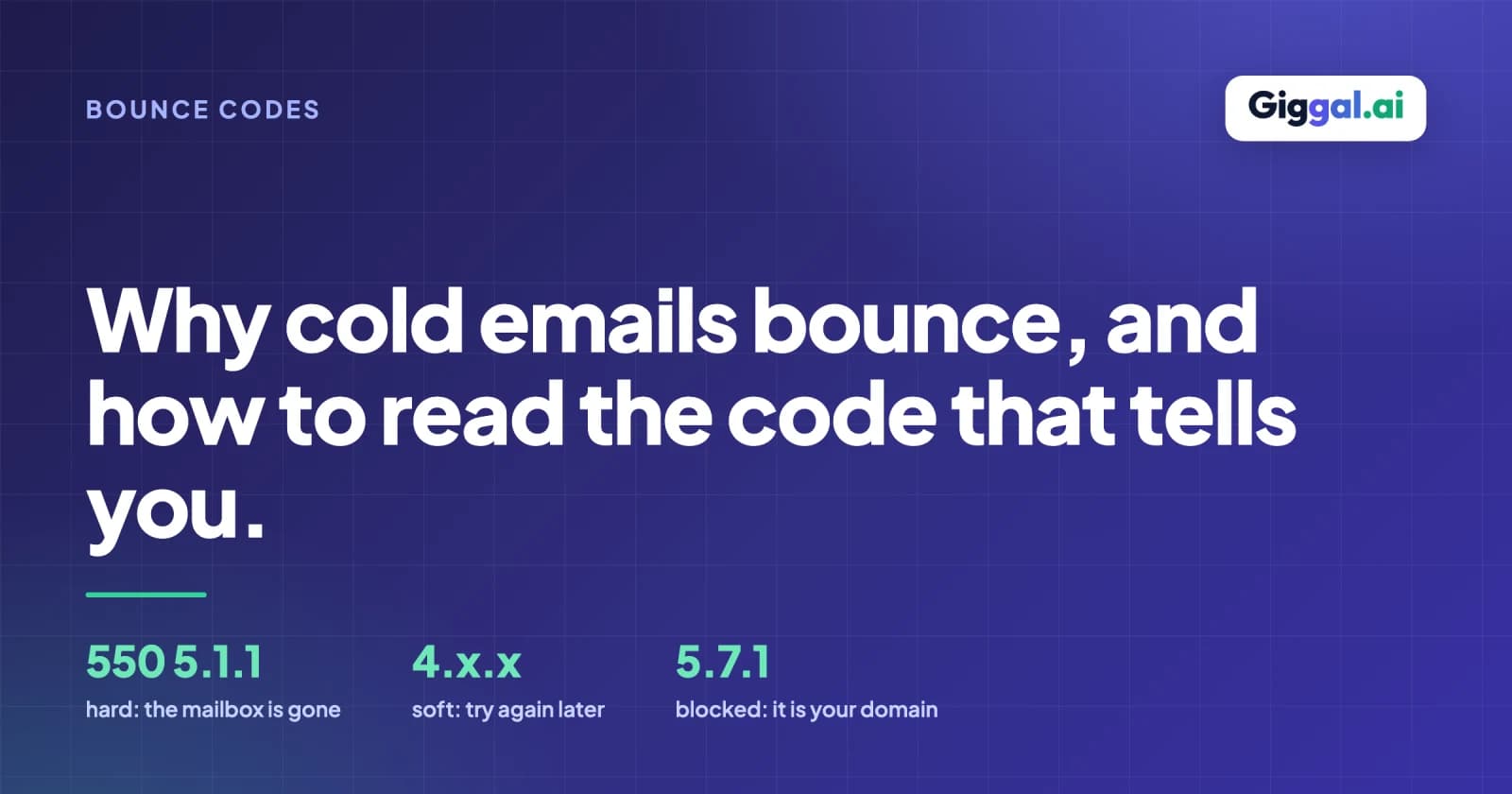
Why emails bounce, hard versus soft, the causes in order of how common they are on cold campaigns, what a bounced email means, and what to do with one.
Read the article
A secure email gateway is a filtering layer in front of a company mail server. Here is what it does, who makes them, and why it complicates verification.
Read the article
A catch-all email address sits on a domain that accepts mail for every name, real or not. What that means, why companies set one up, and how to verify one.
Read the article